2012
The endurance journey begins
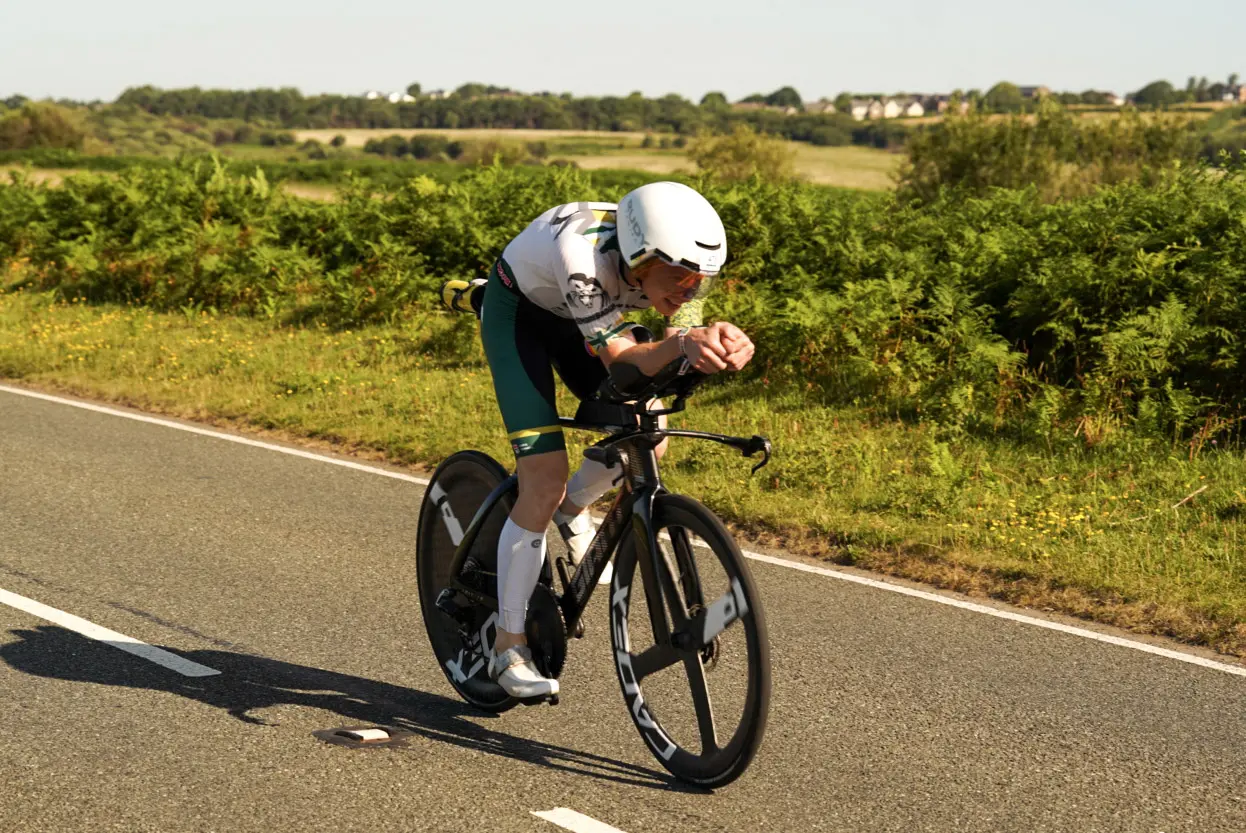
At 16, Chris completed a solo 1,000-mile ride from Land’s End to John O’Groats, raising funds for Help for Heroes.
Performance profile
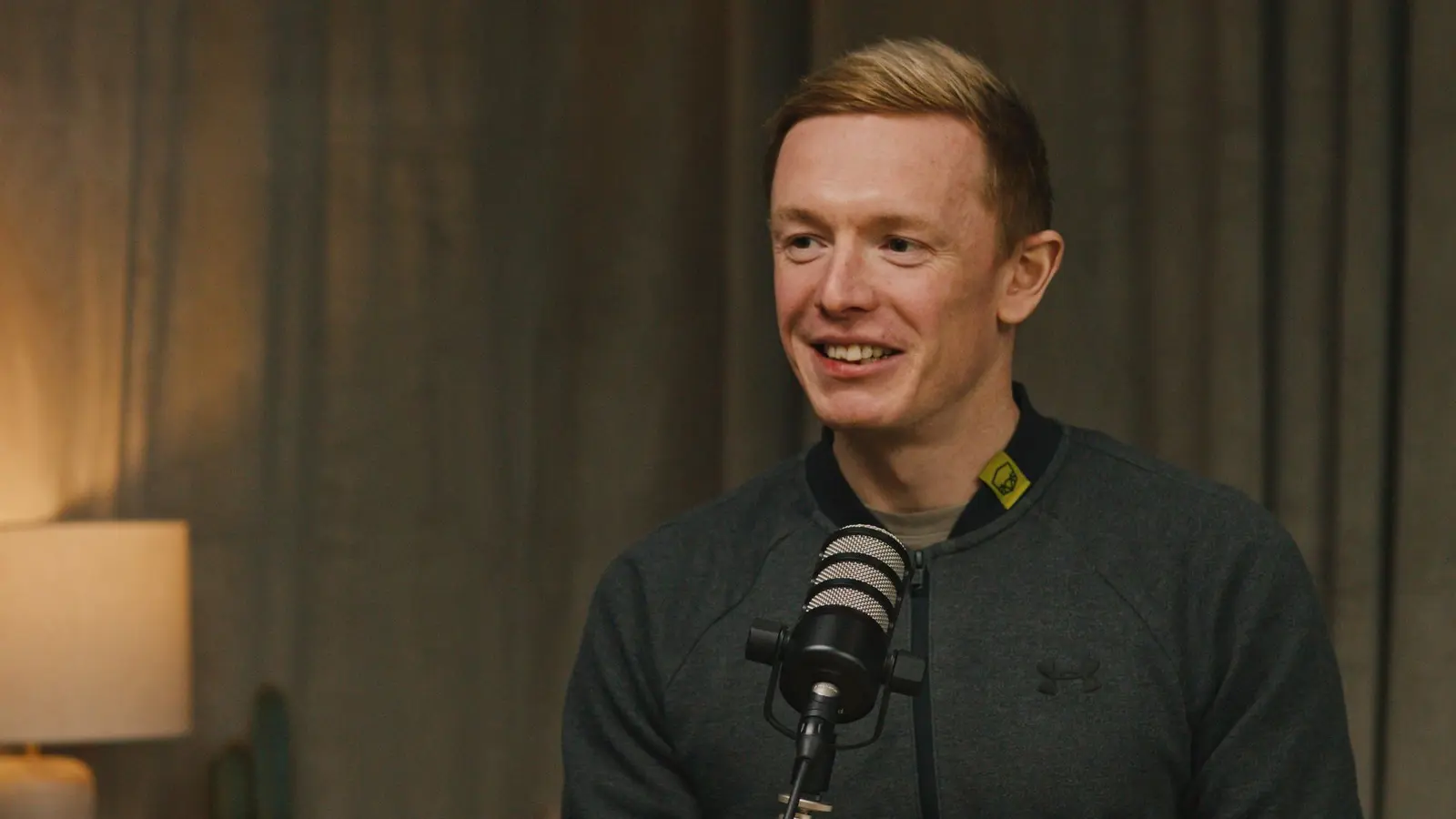
Dr Christopher Fennell is a human performance scientist, physiologist, coach and endurance athlete. This page brings together the complete timeline, competition record and published research behind Science In Performance.
Career & performance timeline
A career shaped by asking the same question in the laboratory and on the start line: what will meaningfully improve performance?
At 16, Chris completed a solo 1,000-mile ride from Land’s End to John O’Groats, raising funds for Help for Heroes.
Eleven national championship titles, four consecutive UK Champion of Champions awards, 22 national podiums and more than 200 regional victories. Physiology, aerodynamics, pacing, equipment and data were treated as one performance system.
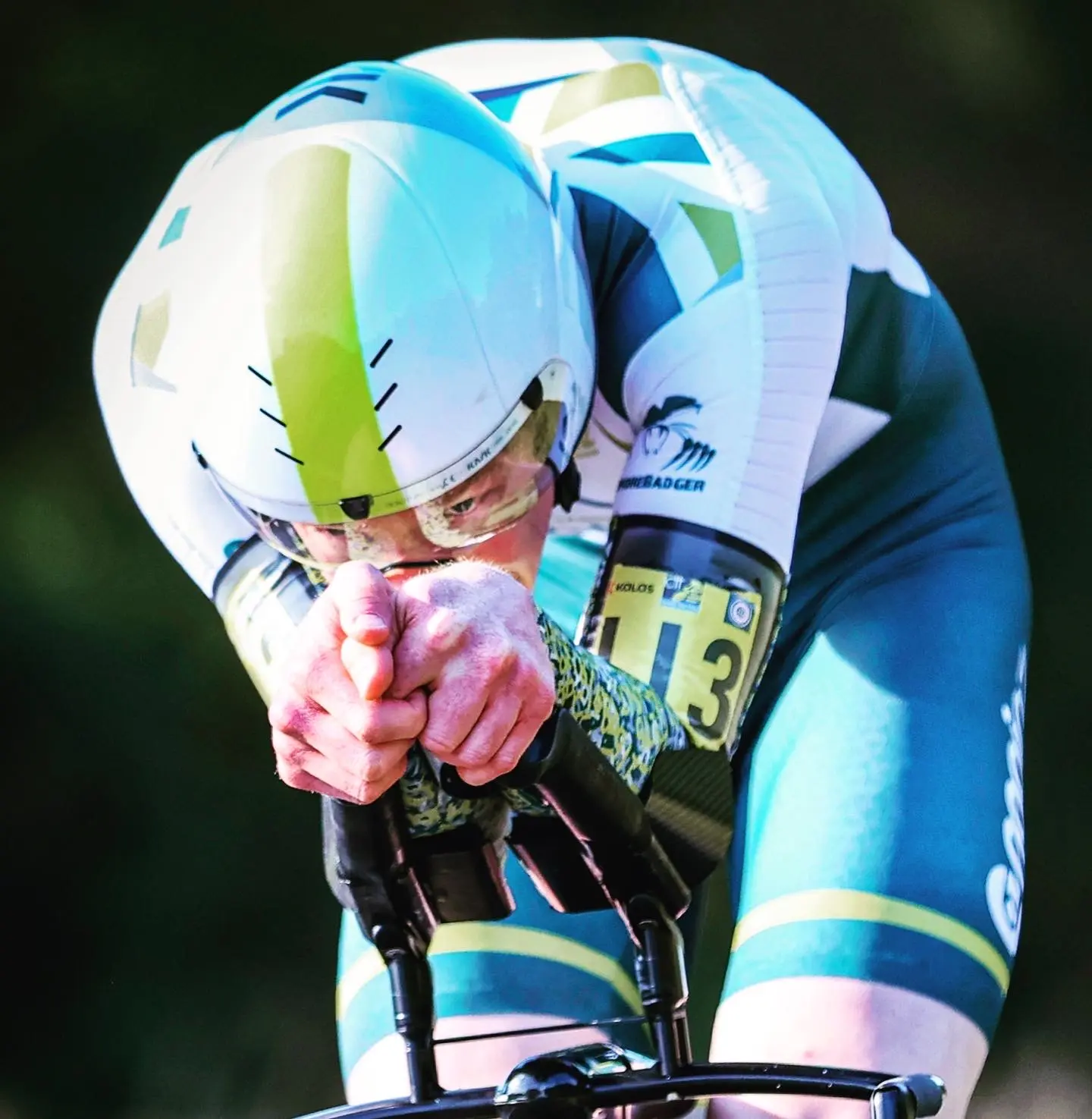
Graduated with First Class Honours after investigating how an aerodynamic time-trial position affects gross efficiency and self-paced cycling performance.
Studied the duration and intensity of recovery intervals in cycling-based high-intensity interval training, producing two peer-reviewed papers.
Chris helped coach The Independent Pedaler women’s cycling team as it achieved 17 national titles and 39 national-championship podiums.
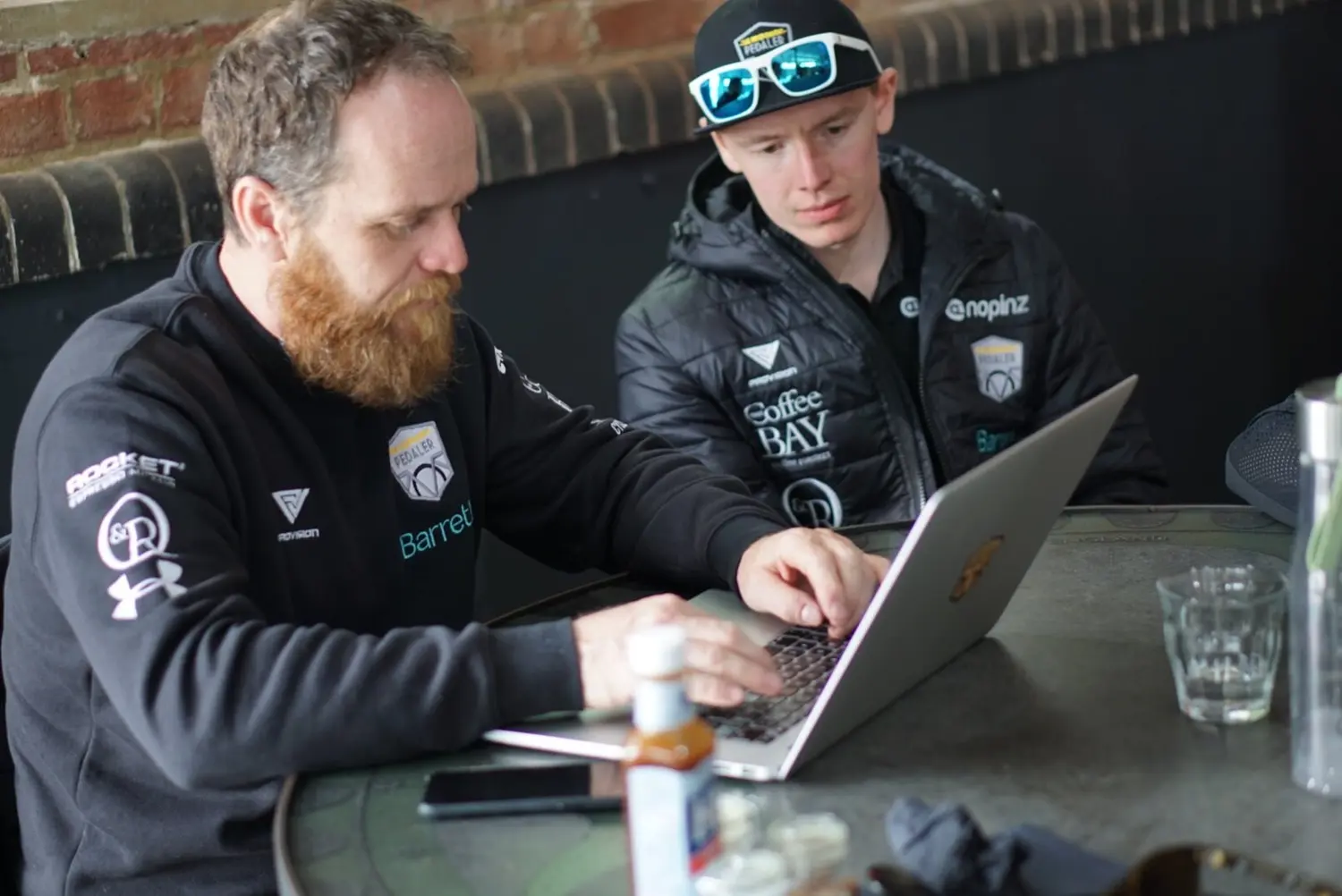
Individual support for cyclists, triathletes, endurance athletes, motorsport competitors and ambitious professionals pursuing national and international goals.
Led the operational delivery of a randomised controlled trial demonstrating tramadol’s performance-enhancing effect in highly trained cyclists. The evidence contributed to the case for its prohibition in competition.
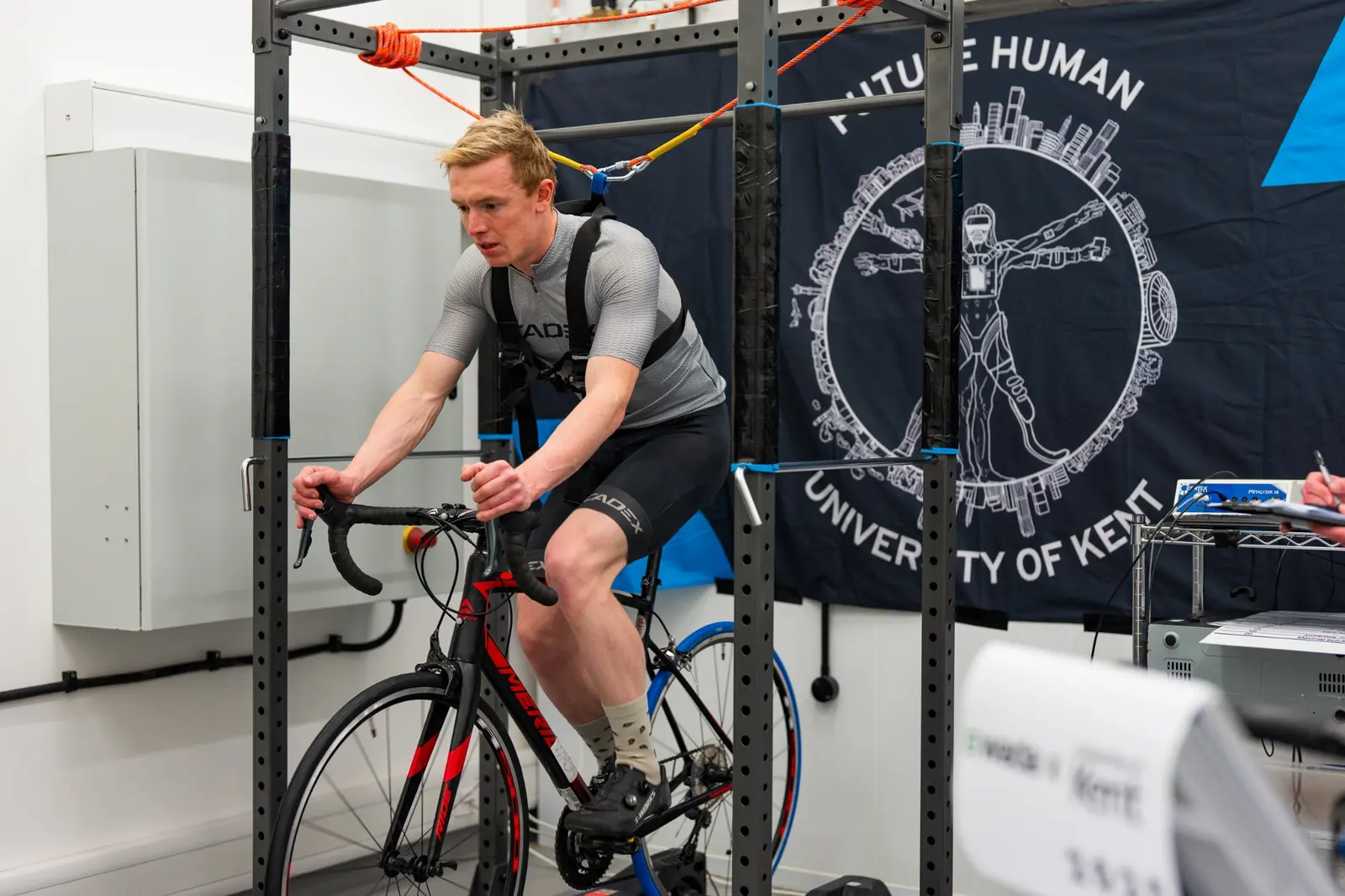
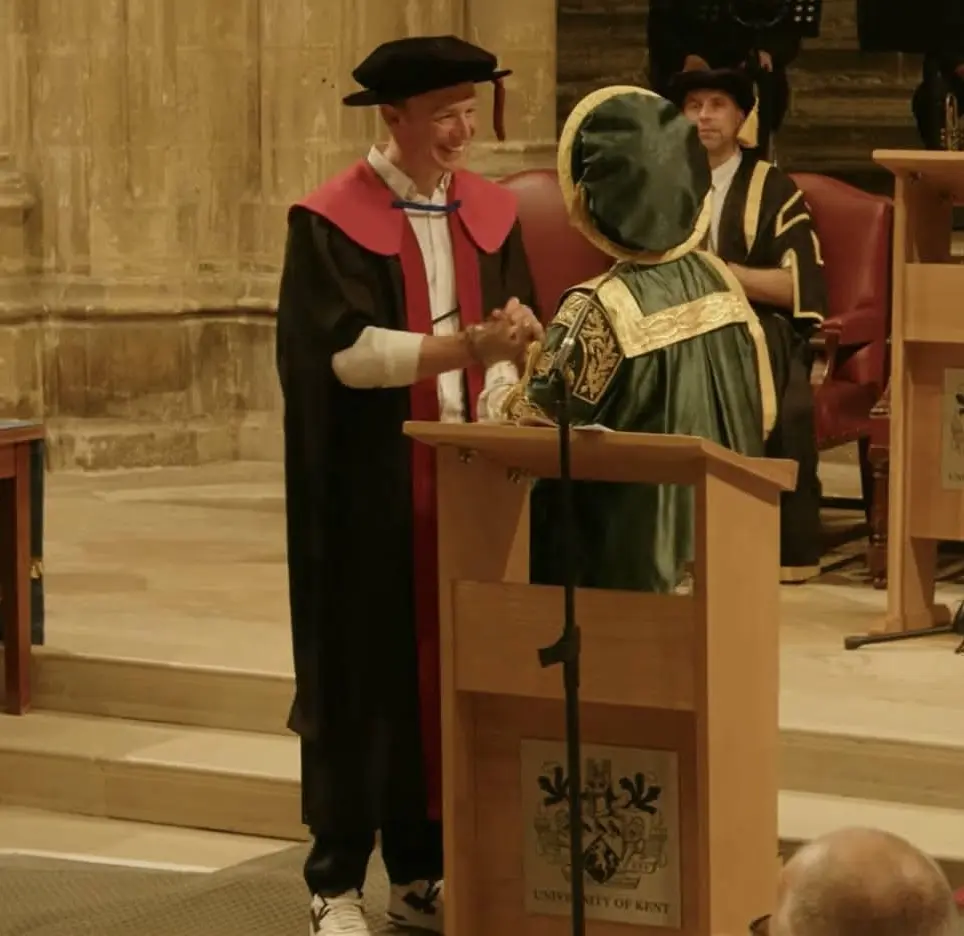
Doctoral research examined age-related differences in neuromuscular complexity and the regulation of force, fatigue and adaptation across the lifespan.
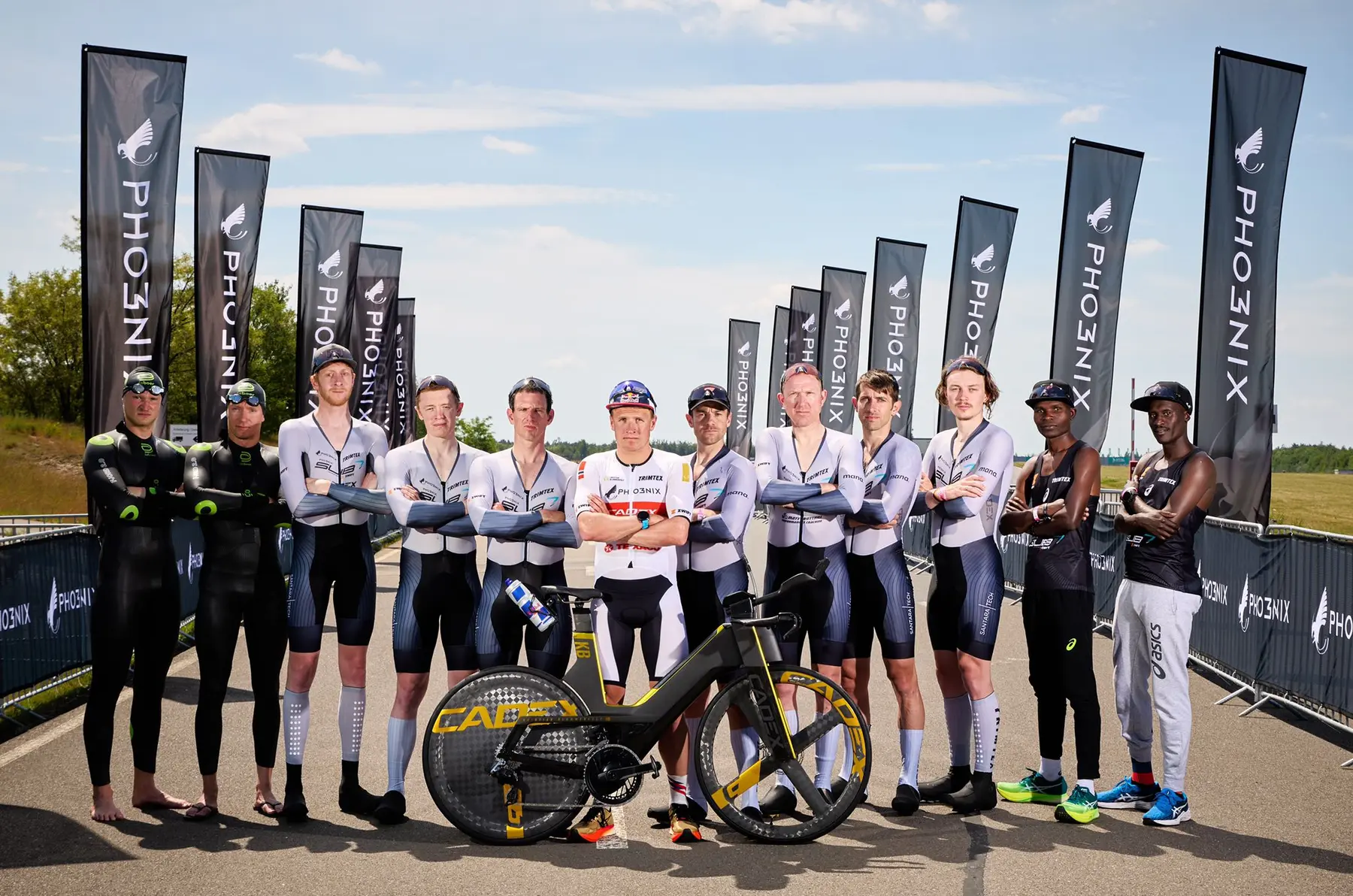
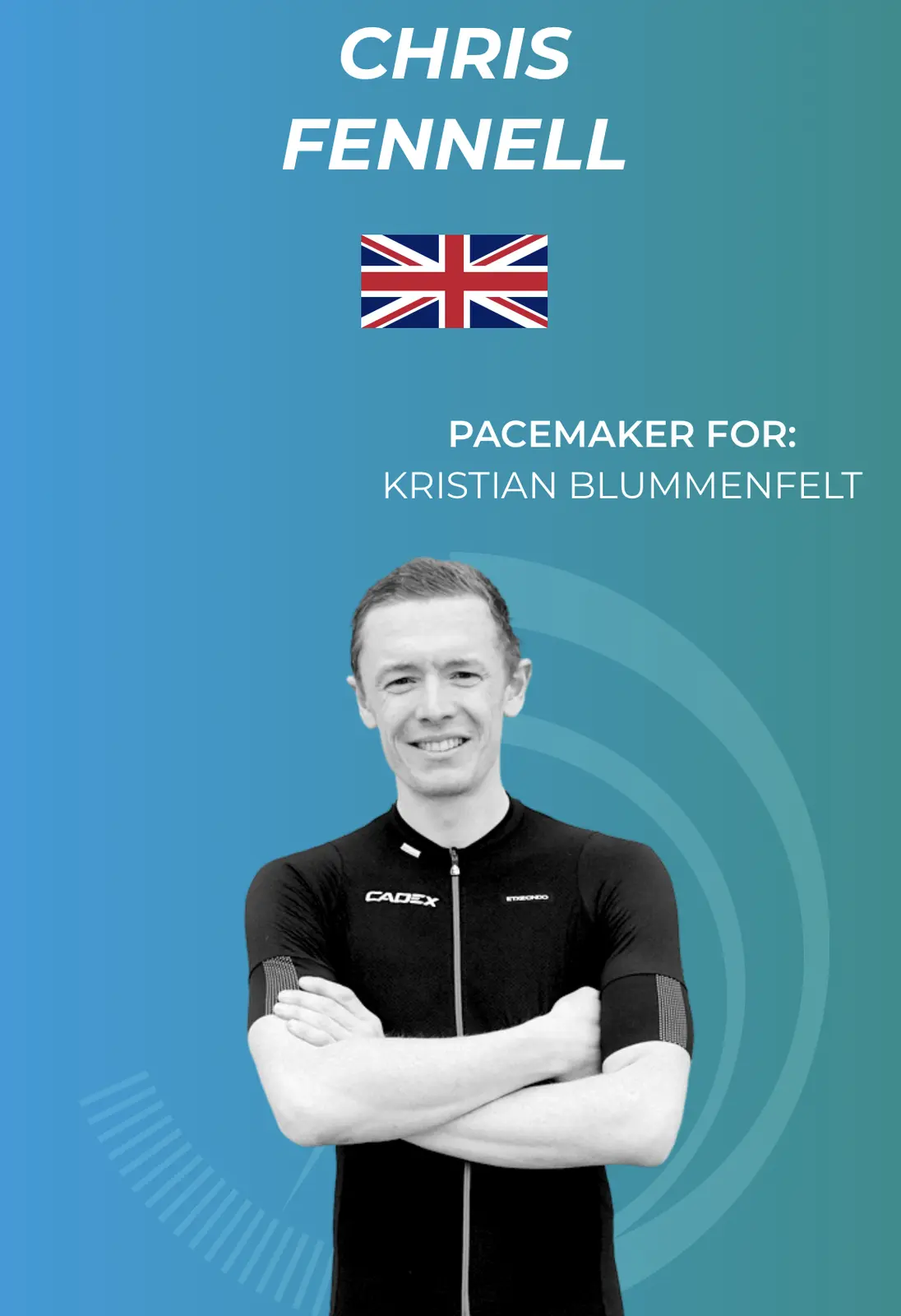
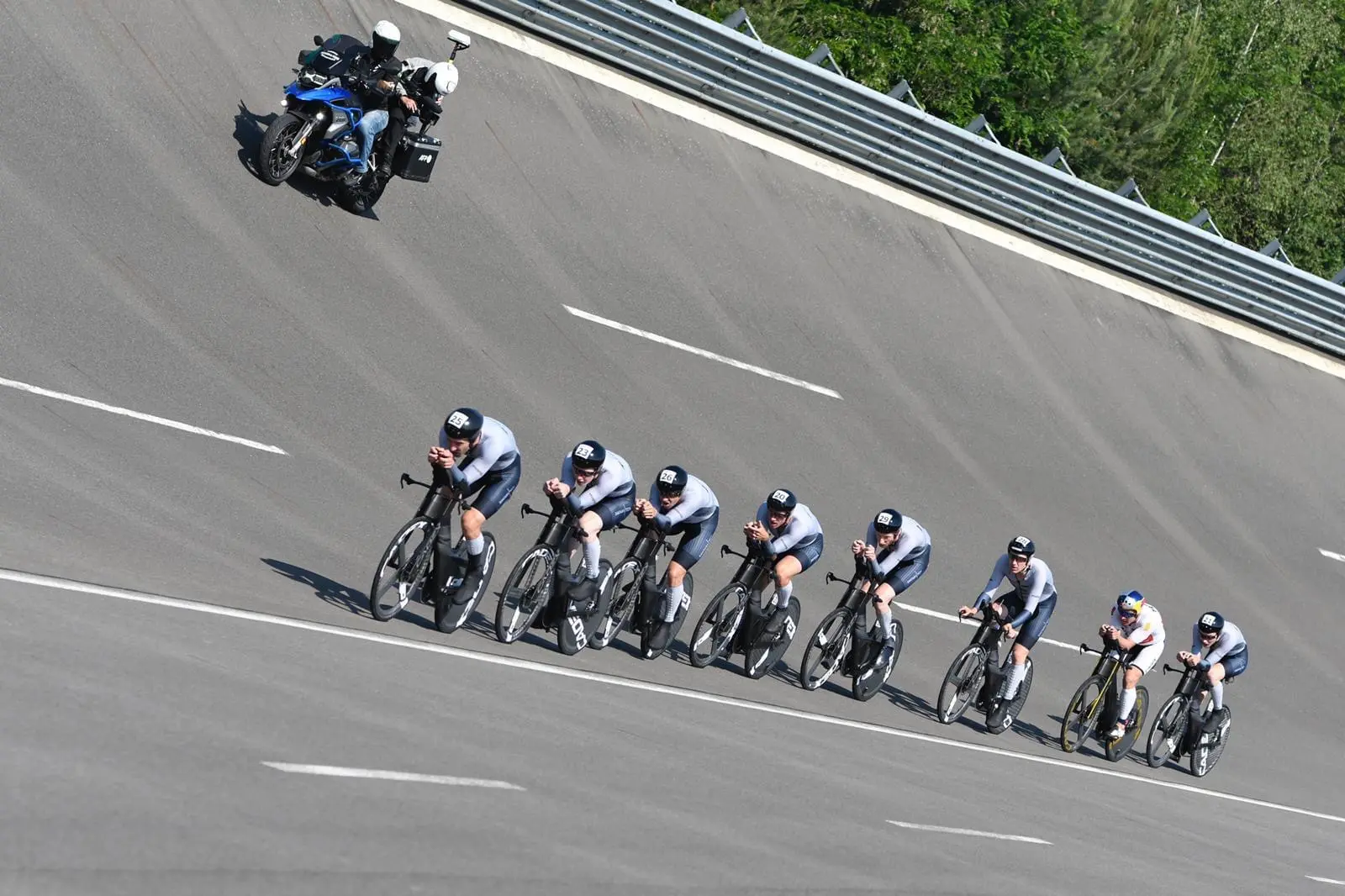
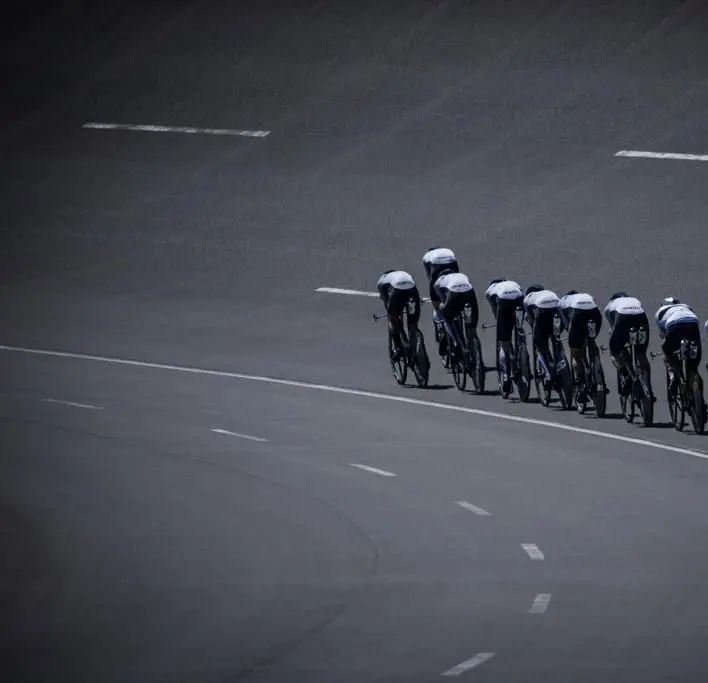
Selected as a bike pacer for Olympic and world champion Kristian Blummenfelt, gaining direct experience of multidisciplinary preparation for a world-record endurance performance.
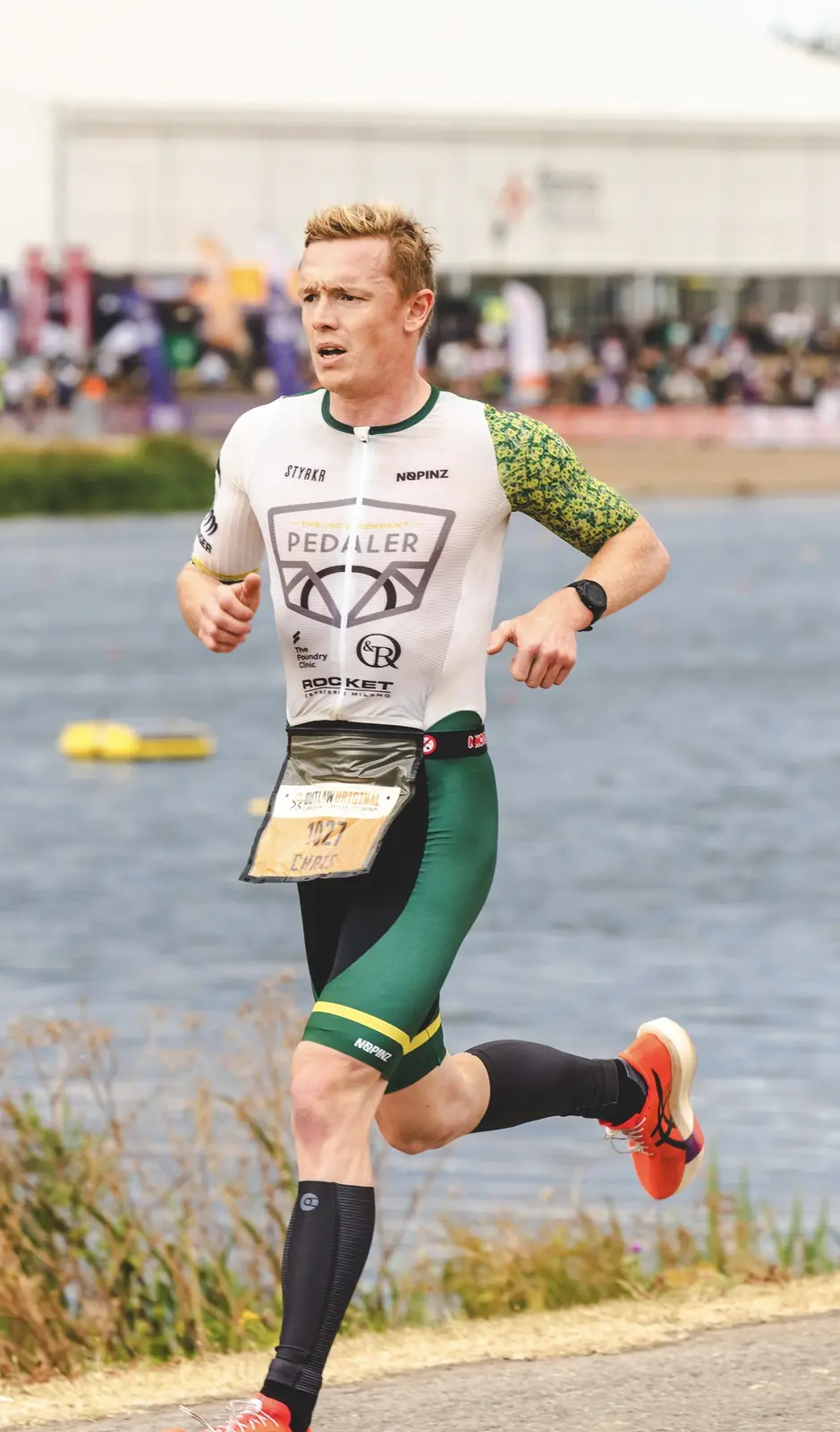
The analytical approach developed in time trialling was extended across three disciplines, culminating in the 2025 T100 Age Group World Championship title.
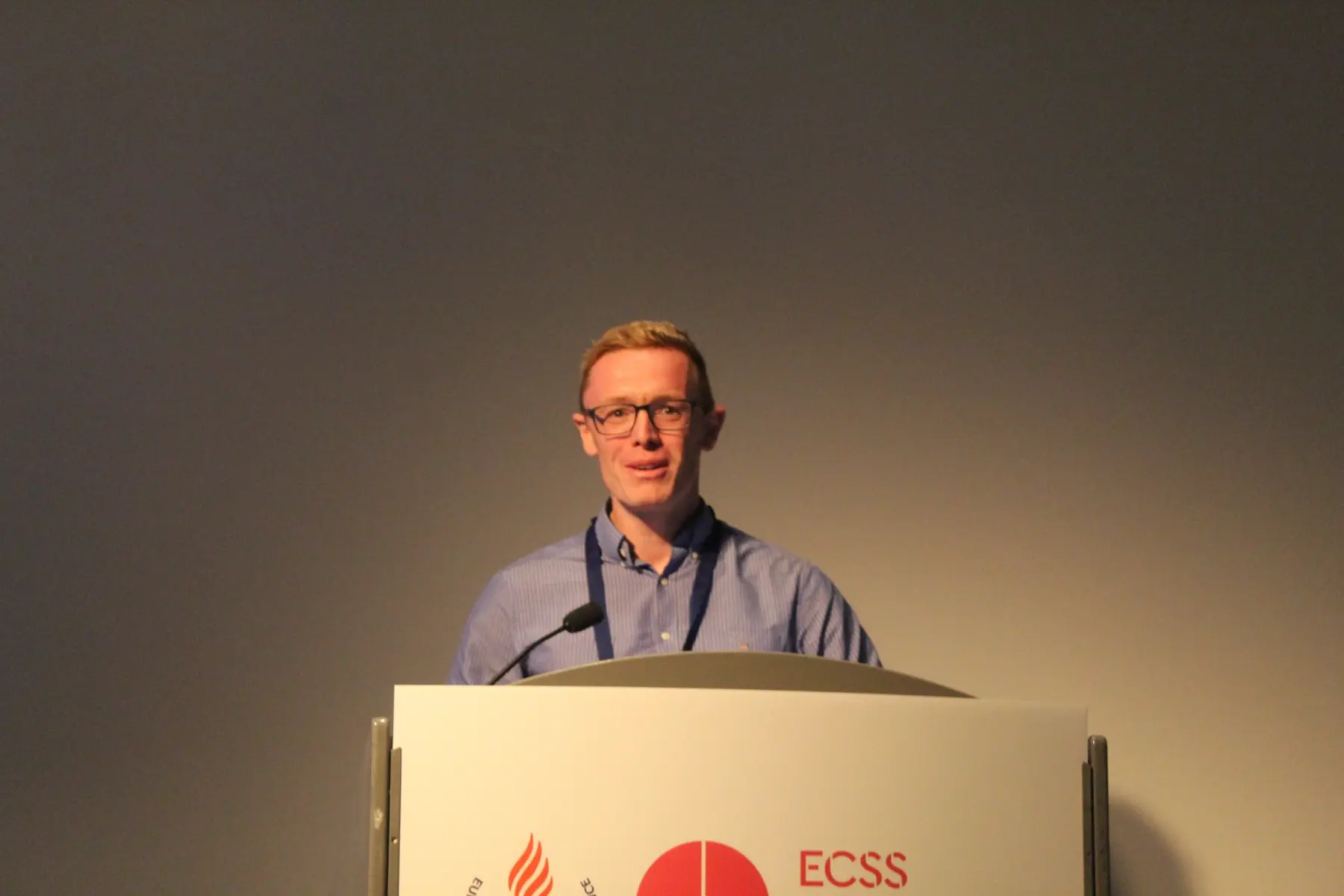
Presented doctoral findings in Glasgow on alpha-band common synaptic input, fatigue and the complexity of knee-extensor torque control.
Investigated the sensitivity, validity and reliability of the Body Rocket on-bike aerodynamic drag system, supporting evidence-led technology selection.
Teaching physiology, biomechanics, statistics and research methods at the University of Kent while supporting the next generation of applied sport scientists.
Leading laboratory research into the performance effects and health risks of tapentadol and dihydrocodeine in trained athletes.
Validated respiratory rate, heart rate, heart-rate variability, airway mode and motion robustness across controlled breathing, posture and exercise conditions.
Performance record
Competition does not replace scientific expertise. It adds context, empathy and a practical understanding of execution when outcomes matter.
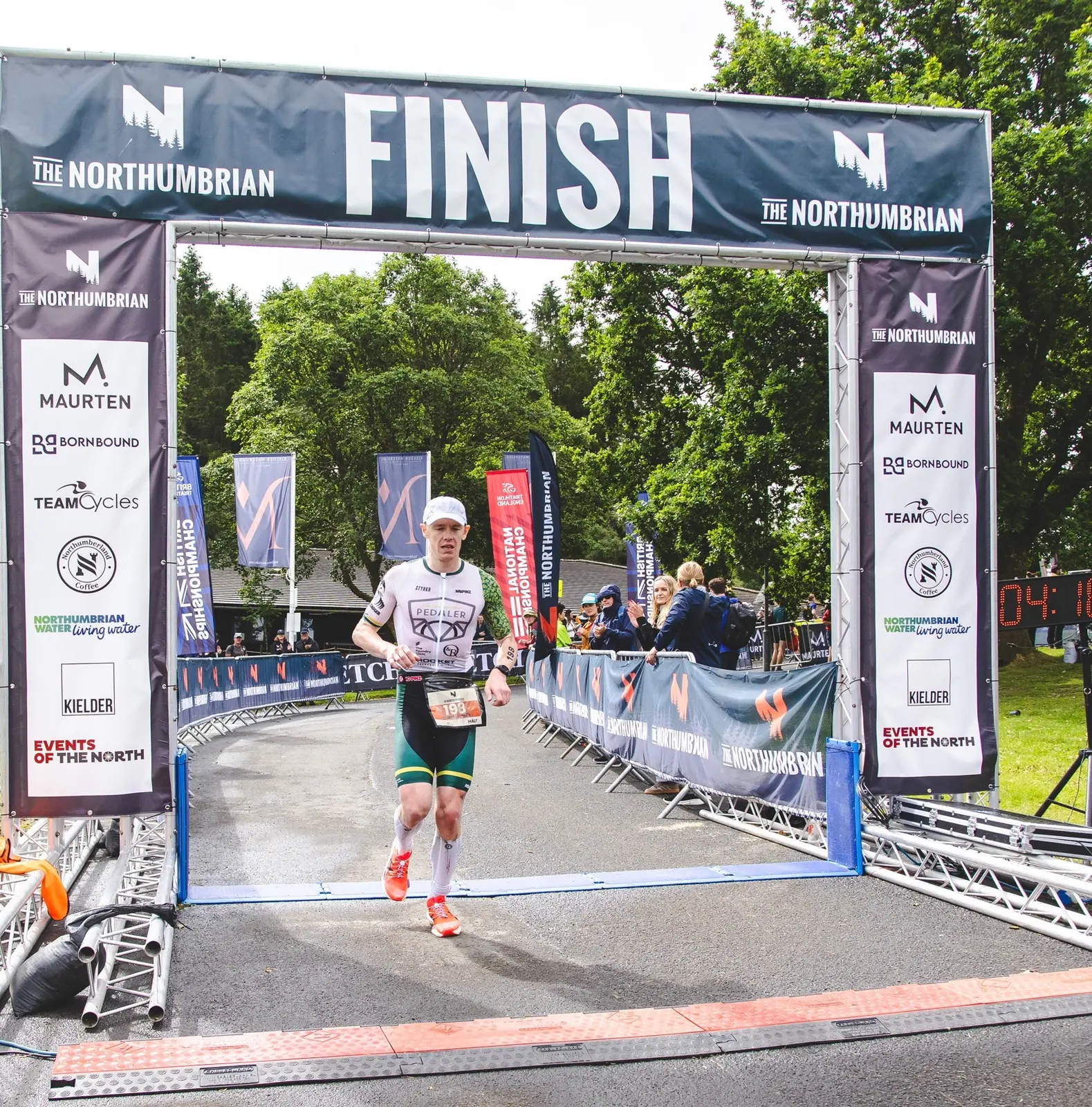
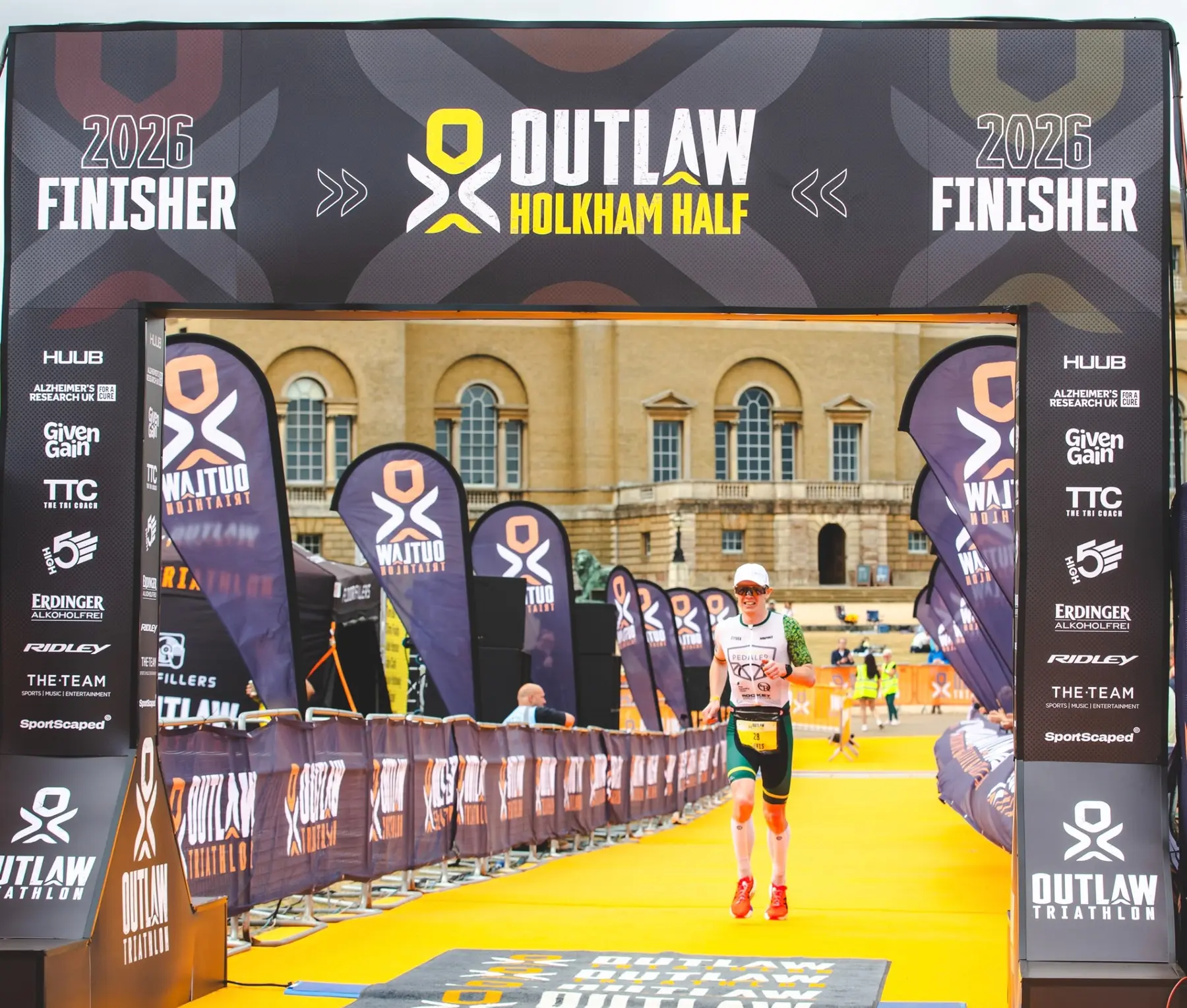
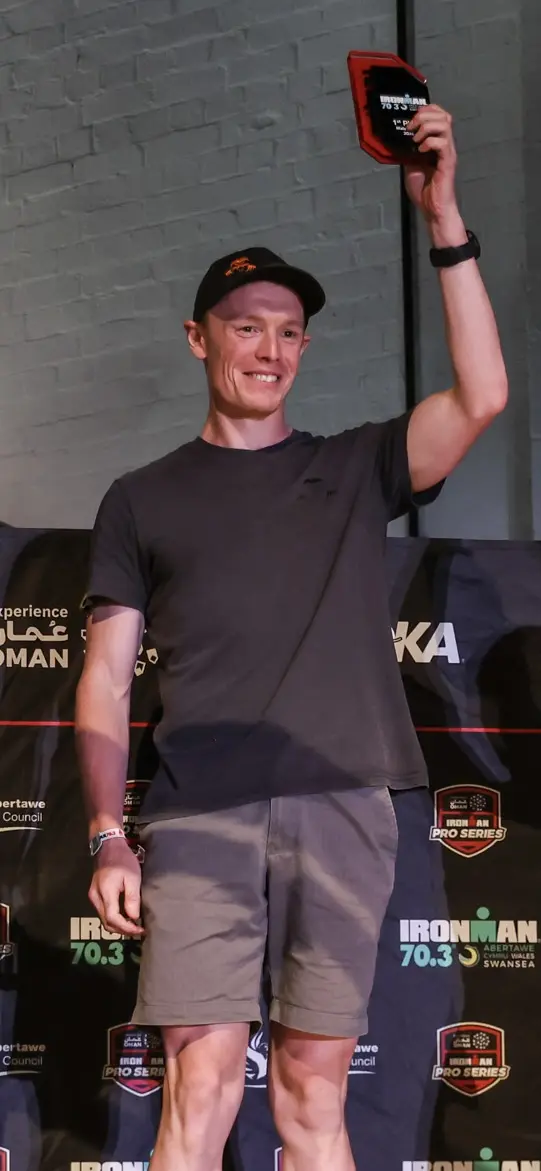
Triathlon race record
Cycling
Benchmarks
Complete research archive
Nine research articles and preprints across neuromuscular physiology, anti-doping, exercise prescription, ageing, cycling aerodynamics and wearable respiratory monitoring. Select any title to open the paper.
View Dr Christopher Fennell’s complete research profile, publications and citation record.
↗Doctoral researchRead the full doctoral thesis in the University of Kent Academic Repository.
↗bioRxiv preprint
European Journal of Sport Science
Experimental Physiology
European Journal of Applied Physiology · Volume 124, 1409–1424
Journal of Applied Physiology
Experimental Gerontology · Volume 175, 112156
European Journal of Applied Physiology
International Journal of Sports Physiology and Performance
Journal of Science and Cycling · Volume 9(3), 3–45
Science into practice
Return to the coaching page to compare programmes or start a short coaching application.